
At the center of every tooth is its delicate nerve, also known as the dental pulp. When this pulp becomes damaged or infected due to decay or injury, it can cause quite a toothache—the kind that makes it hard to focus on just about anything else! Fortunately, our team can completely relieve this pain and even save extremely compromised teeth with root canal therapy. Thanks to modern dental techniques, this often-feared procedure is now virtually painless.

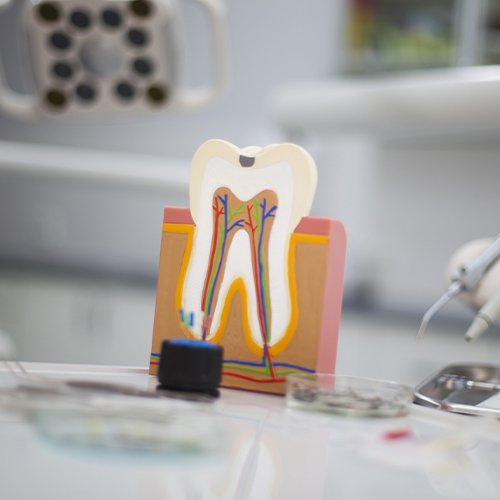
Root canal therapy is a procedure used to treat infections that are hidden inside the inner chamber of a tooth. The process can be broken down into two steps. First, Dr. Kobza will access the inside of your tooth by creating a window in the biting surface of it. Then, our team will remove the infected pulp of your tooth that’s causing you pain and sanitize the chamber. We’ll restore the structure of your tooth using a substance called gutta percha, and finally, we’ll top it off with a customized dental crown so you can continue using your tooth as you normally would.

The most common sign that you require root canal therapy is a persistent and painful toothache radiating from your affected tooth. Some of the signs include:

It’s a common misconception that root canals are painful, but you’ll be pleased to know that they’re not! Dr. Kobza and our team always prioritize your comfort and will make sure that you don’t feel any pain throughout the procedure. We’ll administer a local anesthetic to the area to numb it beforehand. If you have any questions or if there’s anything we can do to help you feel comfortable, don’t hesitate to let us know.

Recovering from root canal therapy doesn’t usually take too long, and you’ll feel back to yourself in no-time! Below, we’ve included some helpful tips so you can make a fast recovery:

While root canal treatment is designed to help save your tooth and relieve you of pain, we understand that knowing the cost of the service is important before moving forward. Every smile is different, so you typically won’t expect the same price for every procedure. Our team will walk you through the details during your initial consultation so that you can be well-informed every step of the way. That said, here are several things to consider before making your decision.

Providing an exact amount for the price of a root canal is impossible without a physical and digital examination of your situation. Some of the factors that we’ll need to account for include:
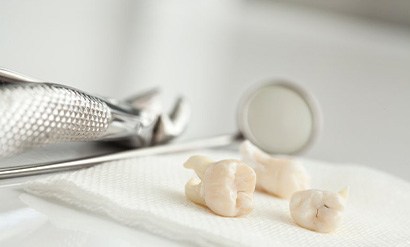
Some people might consider taking their affected tooth out to be a simpler solution for dental discomfort. While this may seem practical, the long-term impact won’t make this an ideal option. Removing your natural tooth leaves room for dental shifting, which will come with further complications down the road, such as an uneven and weakened bite. To avoid this, you’ll need to get a tooth replacement like a dental bridge, dentures, or dental implants, which involves a higher cost in the long run. With a root canal, you can keep your natural teeth and prevent the need for further expenses!

Since root canals are considered major restorative procedures, most dental insurance companies will offer some portion of coverage for them. As long as you meet your annual deductible and before exceeding your maximum, you might expect your insurer to help with around 50% of the total cost of your treatment. While this might be common for most plans, it’s best to get the details straight from your provider so that you know how to maximize your benefits. You can also speak with our front desk team, and we’ll be happy to help file insurance claims on your behalf.

Aside from dental insurance, our office can offer in-house dental savings plans that can best fit your budget. With one small yearly fee, you can enjoy your benefits at day one, and you won’t have to worry about any limitations that you might normally find with insurance. Our membership plan comes with 15% discounts on various services, including root canal treatment, decreasing your out-of-pocket fees, and saving you more in the long term.
If we recommended a root canal for a painful toothache, you might assume that you no longer need one if your symptoms subside. That’s not the case. In fact, the situation may be even more urgent since the sudden change is likely due to the nerve dying. So, don’t cancel your upcoming visit (or postpone scheduling one even longer).
Like many other common oral health problems, root canals are largely preventable. The key to keeping your smile healthy is prioritizing healthy habits, like brushing twice a day, wearing a mouthguard during sports, and limiting your intake of sugary foods. You also need to schedule a dental visit every six months so we can catch (and treat!) cavities in the early stages.
There are a few things we recommend doing to prepare for your root canal in Falls City, starting with avoiding tobacco products and purchasing everything you need for the recovery period, like OTC pain medication. The night before, do your best to get a solid eight hours of sleep so you are well-rested the day of the procedure. As for the morning of, choose something comfortable to wear and eat a healthy, well-balanced meal (unless instructed to fast).
This is a common myth about root canals. It stems from the 1920s, when a dentist named Dr. Weston Price advocated for extracting the tooth since root canals didn’t remove all of the bacteria. However, his research was poorly designed, his findings have been disproven on several occasions, and there currently isn’t any scientific evidence to support the claim that root canals lead to illness.
Important reminder: If you have any questions about your treatment options or you simply want to fact-check something that you read online, don’t hesitate to talk to Dr. Kobza! He’d be happy to provide answers and further insight so you can feel confident moving forward with your treatment plan.
If you are scared of getting a root canal, you might be wondering if there is an alternative, like taking antibiotics. Unfortunately, this is not a suitable replacement because the medication travels through your bloodstream, and your bloodstream doesn’t reach the pulp of a tooth. As a result, the most conservative way to eliminate the infection is usually a root canal.
Usually, patients are given the green light to eat a healthy, well-balanced meal prior to the procedure. However, there are a few exceptions. For example, if you are being sedated, then we will ask you to fast beforehand so you’re less likely to feel nauseous.
